
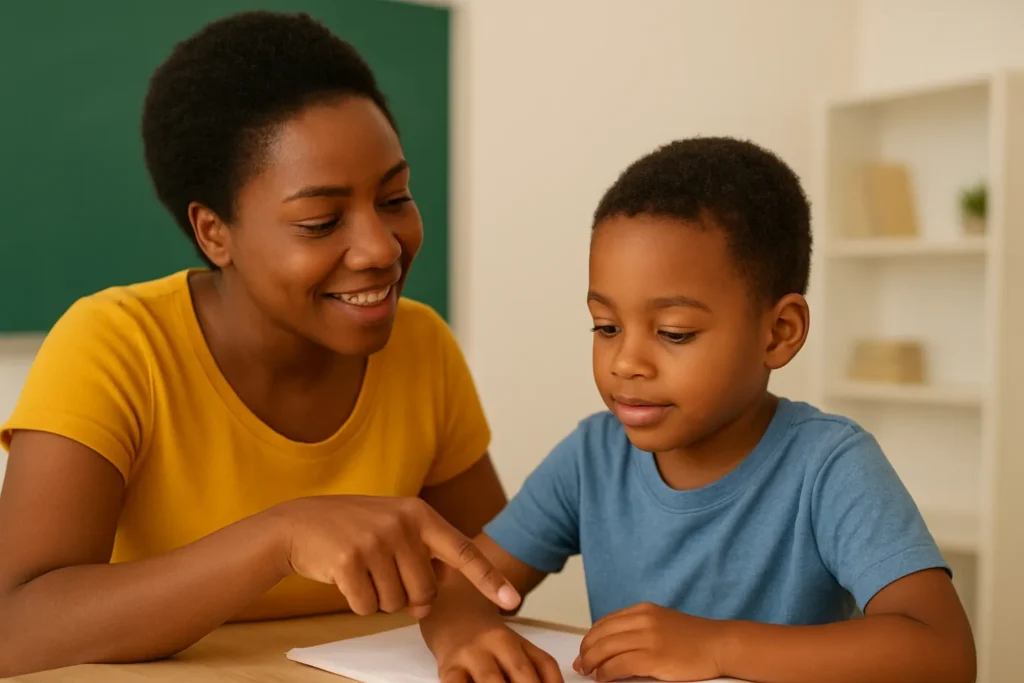
Dear Starters: Social Skills and Autism Support in Nigeria
At Bethelxafe Autism Foundation, we understand that one of the biggest challenges families face is helping autistic children build social connections. Many parents in Nigeria worry about how their children will make friends or interact in school and community settings.
Social skills development looks different for every autistic child. With patience, structure, and the right environment, progress is possible.
Why Social Skills Matter
Strong social skills help autistic children:
- Express needs more clearly.
- Form friendships and communicate better with peers.
- Reduce frustration and meltdowns caused by misunderstandings.
- Participate more comfortably in school or church activities.
How to Encourage Social Development
Here are a few strategies that families in Nigeria can use:
1. Start small: Encourage play with one or two familiar children before larger groups.
2. Use visual aids: Picture cards or storyboards help children understand social situations.
3. Practice turn-taking: Simple games like rolling a ball back and forth teach patience and sharing.
4. Model interactions: Demonstrate greetings or sharing behaviors.
5. Praise efforts: Celebrate attempts to connect, even if they are small.
Creating Supportive Environments
Schools and caregivers also play a key role. Teachers can encourage participation without pressure, and parents can communicate openly with educators about what strategies work best at home.
In one of our earlier posts, we discussed how sleep challenges affect autistic children and how hydration supports better rest. Adequate rest and a calm environment make social interactions less overwhelming.
At Bethelxafe Autism Foundation, we work to ensure that autism foundations in Nigeria continue to promote acceptance and practical support, empowering children to connect meaningfully with the world around them.