





Bethel Xafe Autism Foundation, Nigeria

Love, Patience and Autism

Bethel Xafe Autism Foundation is an autism foundation in Nigeria dedicated to fostering understanding, support, and acceptance for autistic children and their families. In Nigeria and many African countries, autism is often misunderstood. Families with autistic children face stigmatization, exclusion, and isolation. We seek to change this by fostering understanding and support.

Bethel Xafe Autism Foundation

Building a world where autism is accepted, understood, and celebrated.

Who we are

Bethel Xafe Autism Foundation was established with a deep commitment to supporting individuals with autism and their families.

Our mission is to create a world where autism is accepted, understood, and celebrated; where autistic individuals can thrive without fear, judgment, or misunderstanding. We recognize the challenges that autistic individuals and their families often face due to societal misconceptions that see autism as a punishment or a limitation.

At Bethel Xafe Autism Foundation, we aim to transform these outdated perspectives by fostering awareness, offering support, and celebrating the unique gifts each autistic person brings to the world.

Our approach

Our Mission Statement

To create a world where autism is accepted, understood, and celebrated, not feared or punished.

we aim to transform these outdated perspectives by fostering awareness, offering support, and celebrating the unique gifts each autistic person brings to the world.
Our foundation works tirelessly to dismantle the barriers and stigma surrounding autism.

Our Vision Statement

A future free of stigma, where people with autism are valued and have equal opportunities to succeed

Through advocacy, education, and outreach, we bridge the gap between autistic individuals and society, fostering inclusion, empathy, and understanding. By empowering families and communities, we create environments where autistic individuals can thrive.

Autism

Love: Burden Or Ease?

Love is one of the most powerful tools we have to support individuals diagnosed with autism. Love encourages acceptance, understanding, and patience, which are all essential for creating an environment where autistic individuals feel valued and supported. 

Rather than viewing autism as a problem to be solved, love allows us to see the person beyond the diagnosis, appreciating them for who they are and embracing the unique ways they experience the world.

The Four Key Pillars
Awareness, Advocacy, Support, and Empowerment.

These pillars guide every initiative, event, and program we design, ensuring our efforts align with our mission and vision.

Understanding Autism as a Unique Way of Being
Autistic individuals are not "broken"; they bring valuable diversity to our communities and perspectives.

Our Amazing Partners:

Bethelxafe Autism Foundation Events

Updates and Blog

2151241952
Read More
When Your Child Struggles With Losing a Favourite Item A Favourite Object Can Mean More Than We Realise Many children become attached to particular toys, blankets, clothing, books, or other objects. For some autistic children, a favourite item can have an especially important role in daily life. It may provide comfort, familiarity, sensory input, entertainment, or a predictable connection to a preferred interest. This is why losing or damaging the item can be much more upsetting than adults expect. A parent may see a broken toy and think, "We can simply buy another one." The child may experience something very different. Why Familiar Objects Can Be Important A familiar object can provide predictability. A child may know exactly how it feels, sounds, smells, or works. They may have incorporated it into their routines or used it during moments of stress. The object may also carry emotional meaning. This is why taking a favourite item away suddenly can sometimes produce a very strong reaction. Understanding its significance does not mean allowing the child to carry the object everywhere or replacing every lost item immediately. It means recognising that the attachment may serve a genuine purpose. Prepare for Wear and Tear If a child has a favourite object, consider what happens if it becomes damaged. When possible, having a backup version can be helpful. For some objects, purchasing two identical items from the beginning may prevent a major crisis later. This is not always possible, particularly when the item is old, handmade, or no longer available. In those situations, photographs, similar objects, or gradual alternatives may sometimes help. Do Not Remove It Without a Reason If the object is safe and not significantly interfering with daily life, there may be little reason to remove it simply because adults think the child is too attached. Comfort objects can be useful. They can help children manage unfamiliar environments, transitions, travel, medical visits, bedtime, or periods of stress. The focus should be on understanding whether the attachment is supporting the child or creating significant difficulties. When the Item Is Unavailable Sometimes the favourite object will inevitably be unavailable. It may be at home while the child is at school. It may be broken. It may be lost. Prepare the child whenever possible. "Your blue car is at home. We will see it after school." A visual reminder can help. If the item is genuinely lost, acknowledge the child's feelings rather than immediately dismissing them. "You are sad because your toy is missing. I know you really like it." The child may need time to process the loss. Build a Wider Range of Comforts A favourite item does not have to be the child's only source of comfort. Over time, children can be supported to discover other ways to feel secure. This might include a familiar song, quiet space, sensory activity, favourite book, predictable routine, trusted adult, or another preferred object. The aim is not to eliminate the favourite item. It is to gradually expand the child's range of coping resources. Teach Care for Important Belongings A child's attachment to an object can also create opportunities to teach responsibility. Depending on their abilities, they can learn where to keep the item, how to carry it safely, and what to do when they are finished using it. For example: "Your toy stays in the bag while we eat." "Put your book on the shelf when you finish." These expectations can help the child protect belongings without turning the object into something shameful. Consider the Bigger Picture A strong attachment to one object is not necessarily concerning. What matters is how it affects the child's life. Can they participate in school or family activities without it? Can they tolerate brief periods without it? Does losing access to the item consistently lead to extreme distress? Does the attachment prevent participation in essential activities? These questions can help parents understand whether additional support may be useful. How Bethel Xafe Supports Families At Bethel Xafe, we encourage families to understand the role that familiar objects can play in an autistic child's life. Rather than automatically trying to remove an attachment, parents can consider whether the object provides comfort, predictability, sensory support, or connection. When limitations are necessary, gradual preparation and alternative coping strategies can help children manage changes more successfully. Final Thoughts Sometimes a favourite object looks like just a toy. To a child, it may represent familiarity, comfort, safety, or joy. Understanding that difference can change how we respond when the object is lost, broken, or unavailable. We can respect the attachment while also helping children gradually develop flexibility and additional ways of coping. The goal is not to take away what comforts a child. It is to help them build a world in which they can feel secure even when their favourite things are not always within reach. Related Posts From Bethel Xafe - Stimming Is Not a Problem to Solve - Routines Are Safety, Not Rigidity - Rest Is Part of Support - Prepare Your Child for Change Meta Title Favourite Objects and Autism: Understanding Attachments | Bethel Xafe Meta Description Understand why autistic children may become strongly attached to favourite objects and how parents can support comfort, flexibility, responsibility, and coping. Image Alt Suggestion Autistic child holding a favourite comfort object while supported by a parent
Read More
Parent supporting an anxious autistic child in a calm home environment
Read More

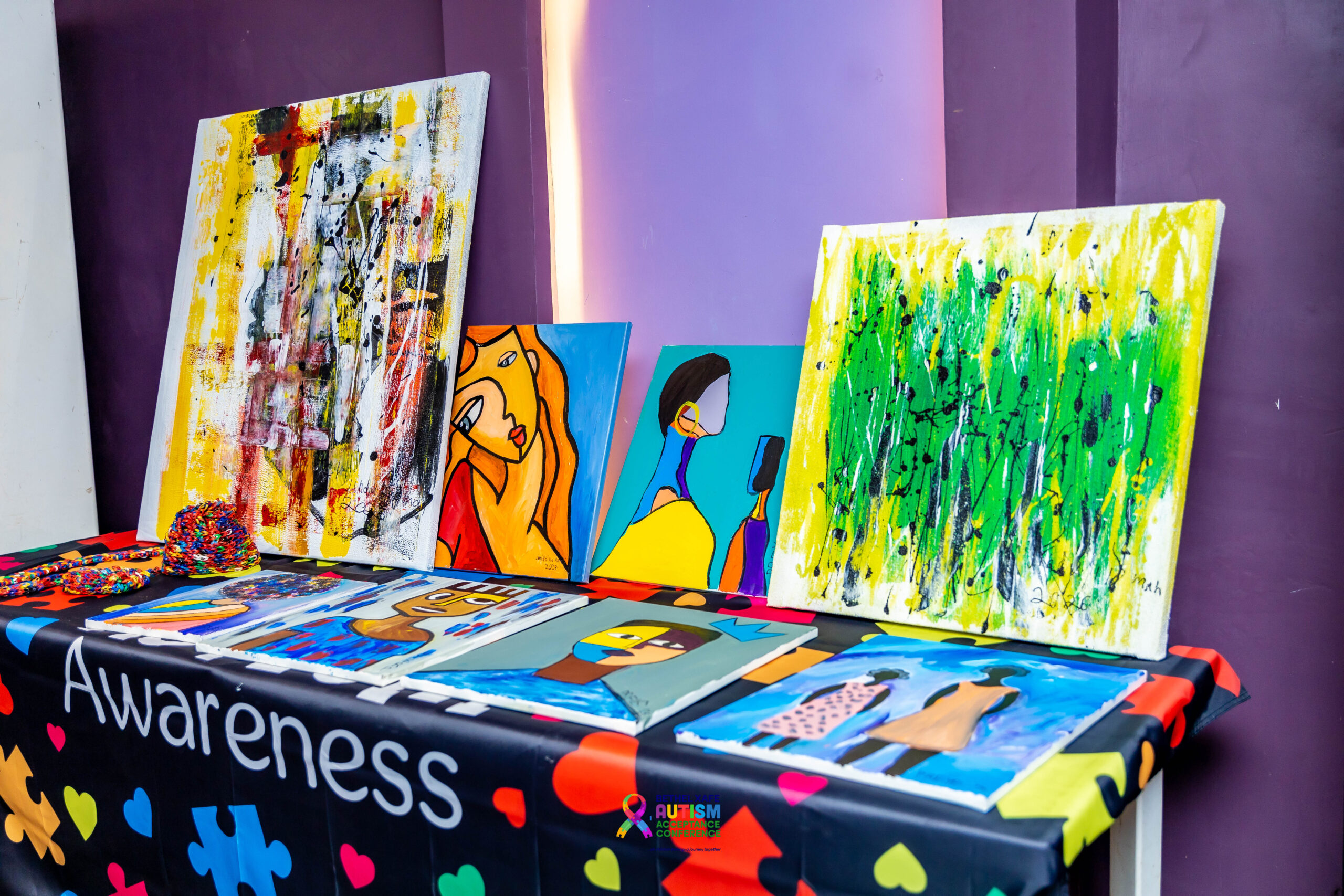
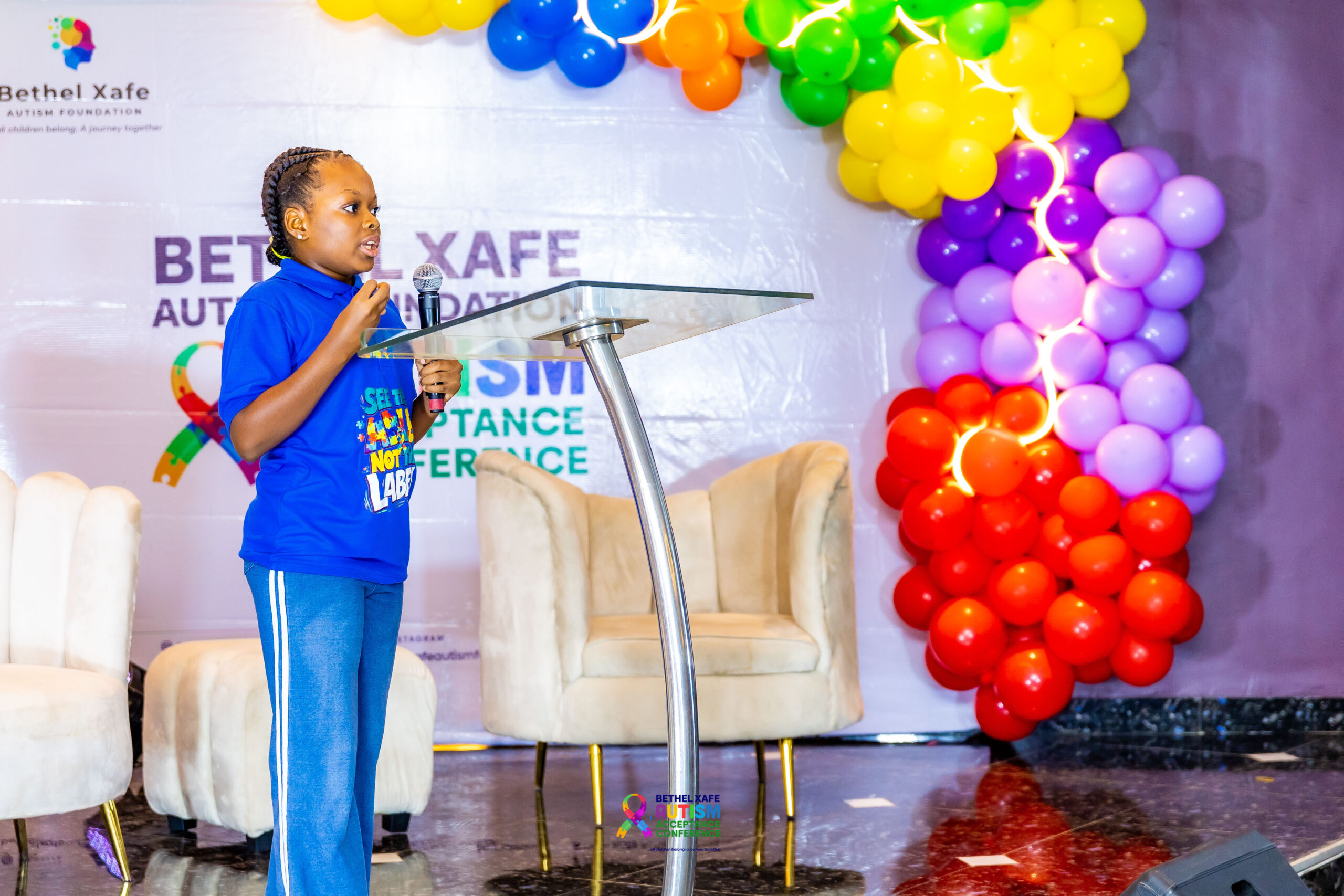
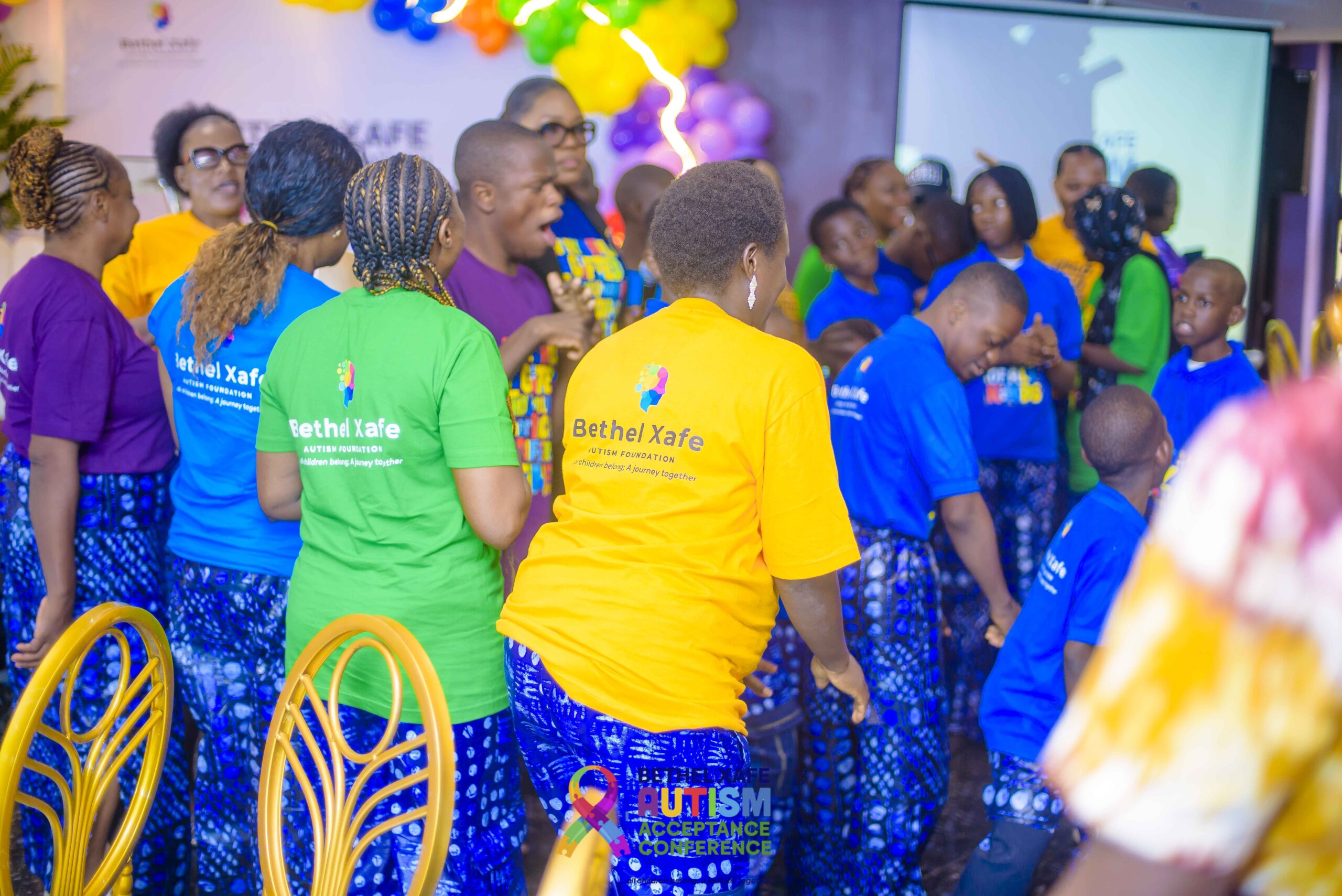
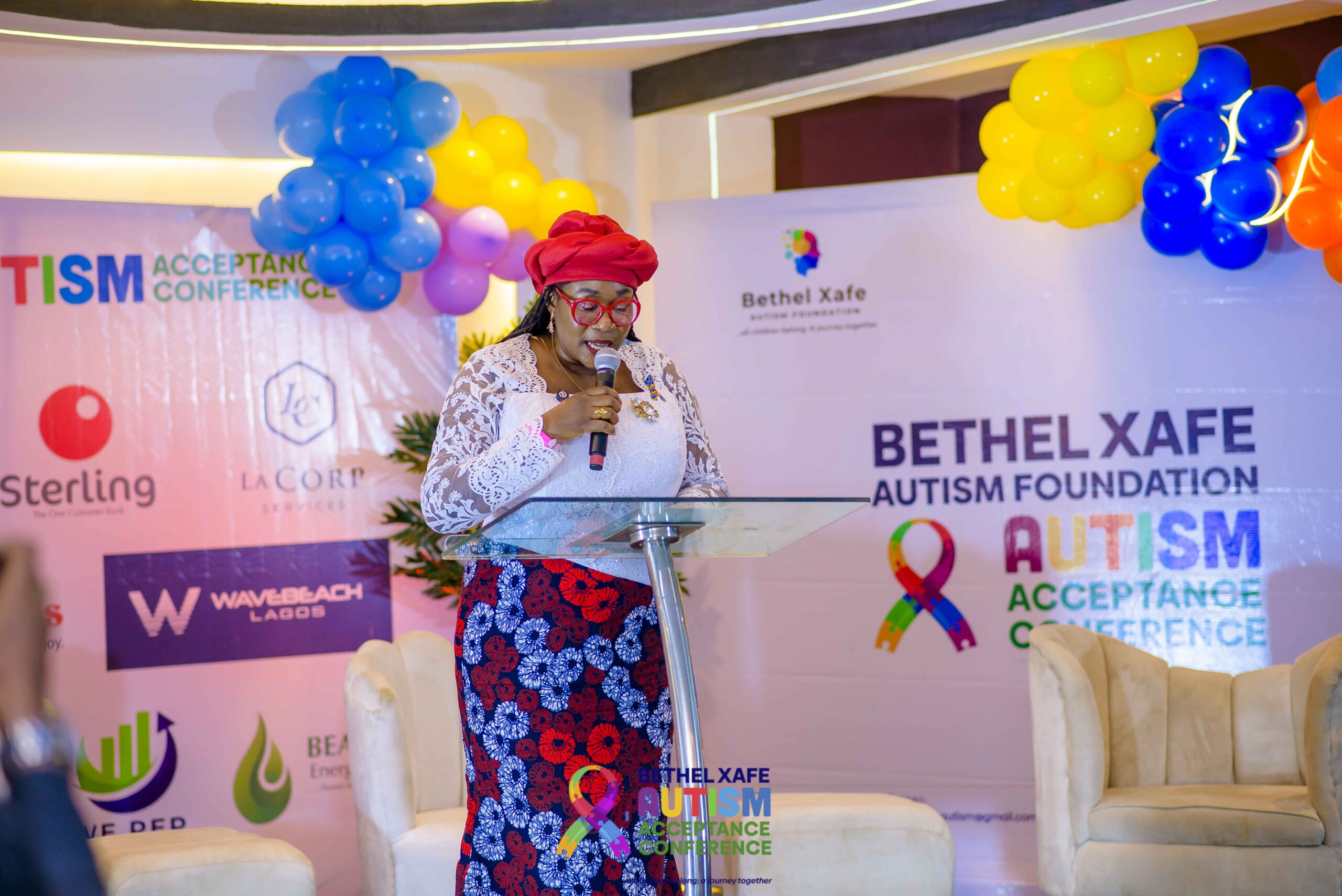
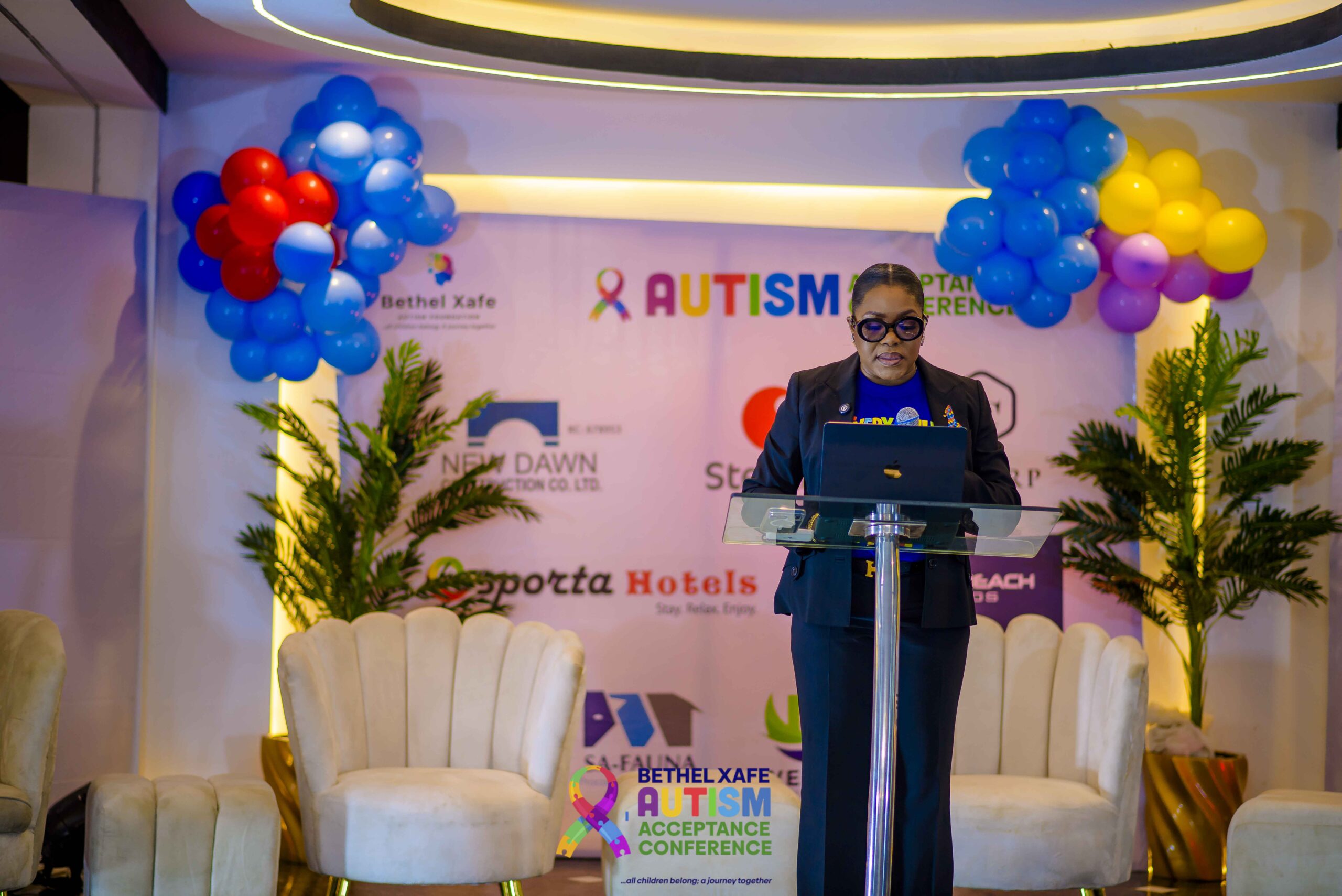
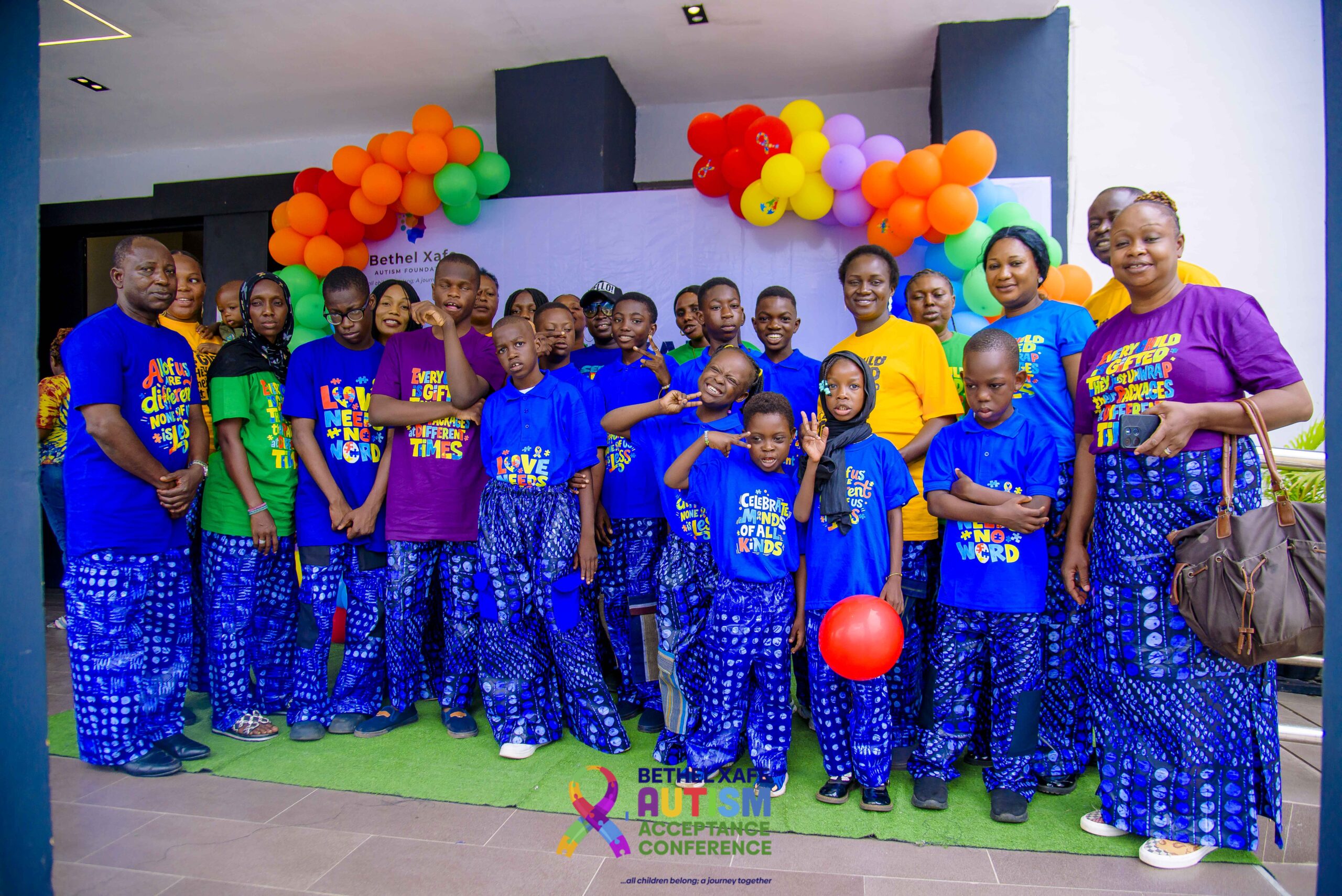
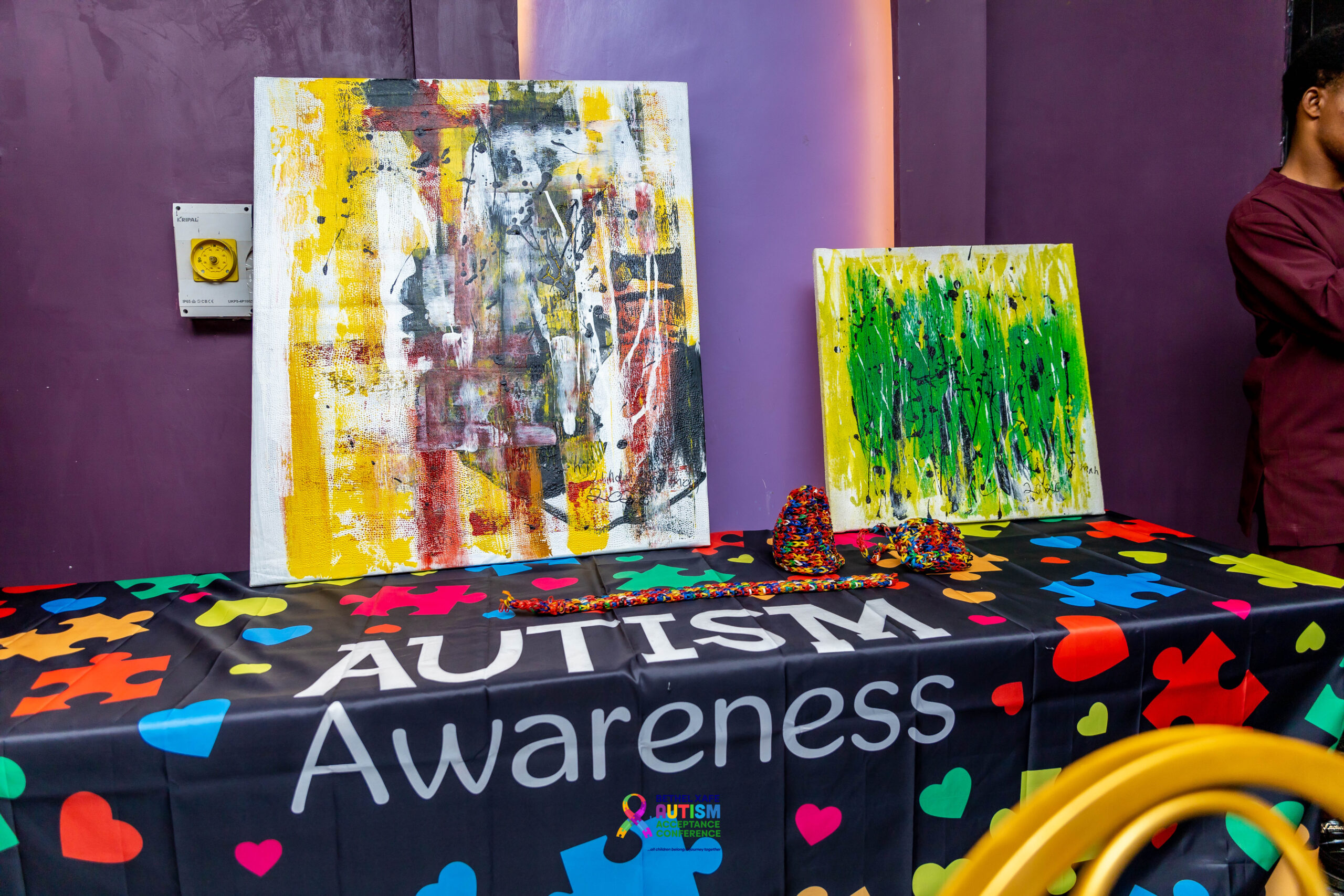
Bethel Xafe Autism Awareness Conference 2025

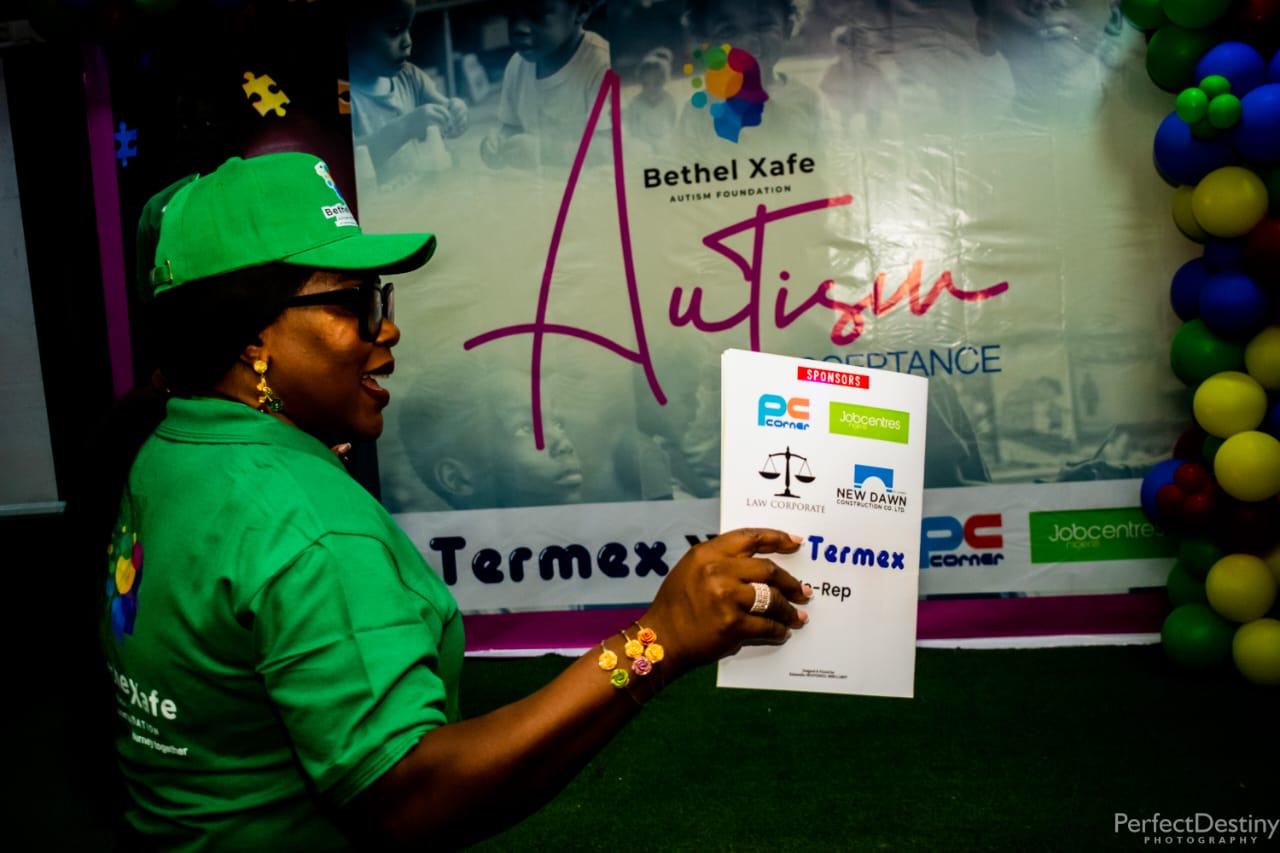
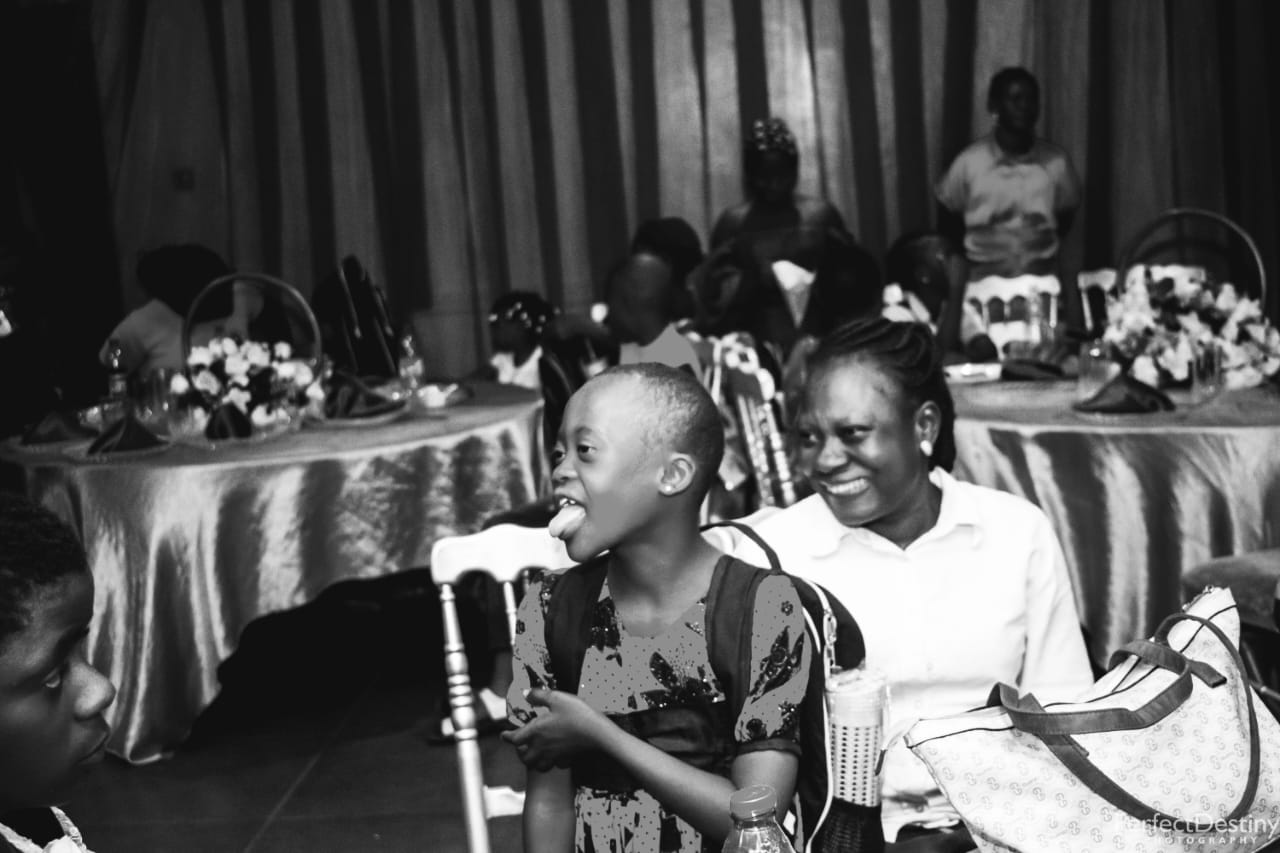
This year, the Bethel Xafe Autism Conference 2025 in Lagos, Nigeria was a groundbreaking event that brought knowledge, empowerment, and community to autistic individuals and their families!

With an inspiring lineup of experts, advocates, and caregivers, we provided valuable insights on autism awareness, education, and inclusion. Attendees engaged in thought-provoking discussions, interactive workshops, and networking opportunities that fostered meaningful connections.

We’re grateful to everyone who made this event a success and look forward to continuing this journey of advocacy and inclusion!

Events Gallery