Dear Starters: Encouraging Growth Through Play for Autistic Children in Nigeria
At Bethelxafe Autism Foundation, we believe that play is more than fun — it is a key part of learning, connection, and emotional growth for every child, including autistic children. In Nigeria, structured play is often overlooked, yet it can make a huge difference in helping autistic children express themselves and build essential life skills.
Why Play Matters in Autism Support
Play helps autistic children:
- Build communication skills: Through turn-taking games, gestures, and imitation.
- Develop social connections: Playing alongside others encourages shared attention and cooperation.
- Enhance sensory regulation: Activities like sand play or water games can calm overstimulated senses.
- Boost creativity and imagination: Free play allows children to explore and express their inner world safely.
When guided with patience and understanding, play becomes a bridge between the autistic child and the world around them.
Play Ideas for Families in Nigeria
Here are some simple, sensory-friendly play ideas you can try at home:
- Water play: Fill a small bowl with water and floating toys — soothing and fun.
- Story time: Read short picture books aloud; let your child turn pages or point to images.
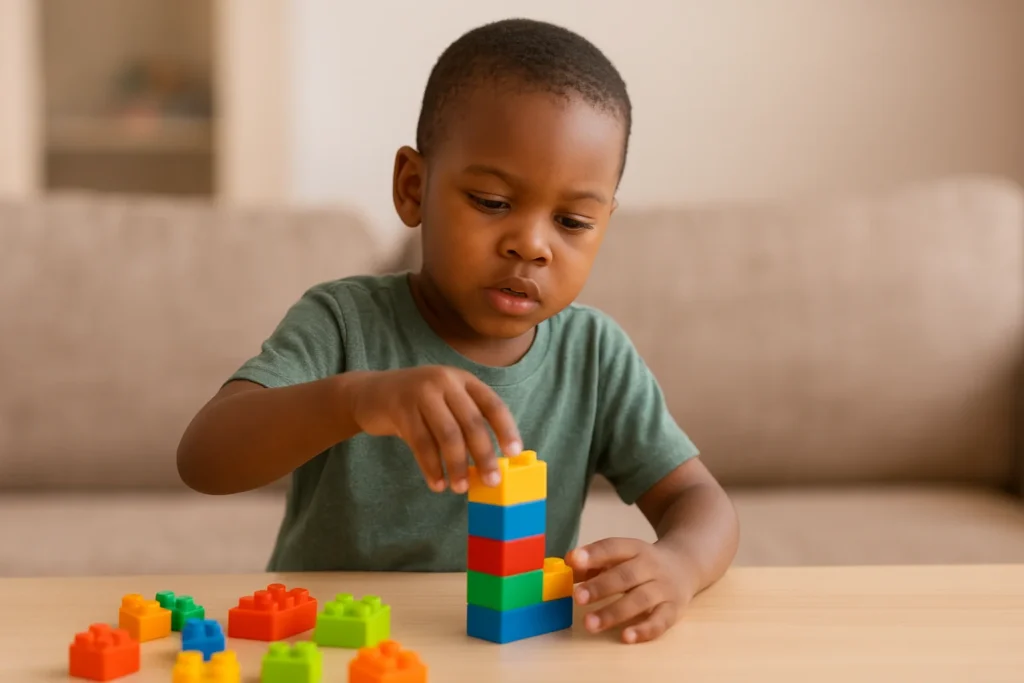
- Building games: Use blocks or household items to create simple towers together.
- Music time: Clap rhythms or use drums and shakers to explore sound and movement.
- Outdoor exploration: Visit a quiet park where your child can safely engage with nature.
Encouraging Participation Without Pressure
Some autistic children prefer solitary play, and that is perfectly okay. The goal is not to change how they play, but to gently engage in ways they enjoy. Following your child’s lead shows respect for their comfort and interests, building trust through shared moments.
Building Inclusive Play Spaces in Nigeria
As one of the growing autism foundations in Nigeria, Bethelxafe advocates for public playgrounds and schools to include sensory-friendly designs — quieter corners, textured play equipment, and trained caregivers. Every child deserves to play in a space that welcomes them.
If you missed our earlier Dear Starters discussions, you can explore:
Together, these posts create a holistic guide for supporting autistic children in everyday Nigerian life.