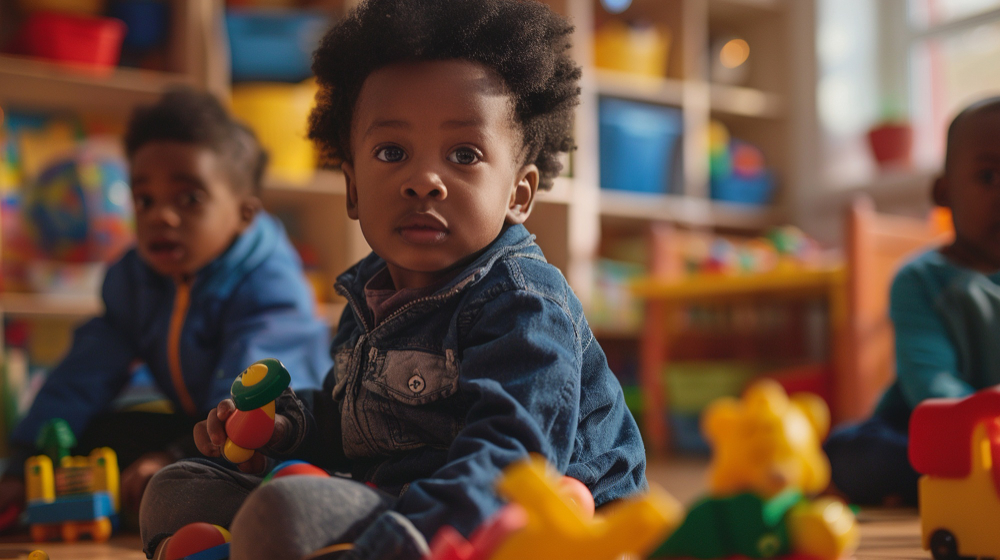
Dear Starters: Helping Autistic Children Adapt to New School Environments
Transitions can be challenging for any child, but for autistic children, the shift to a new class or school can feel especially overwhelming. Changes in routine, new faces, and unfamiliar spaces may cause anxiety or sensory discomfort.
At Bethelxafe Autism Foundation, we believe that with the right preparation and understanding, every autistic child can thrive through transitions with confidence.
Why Transitions Can Be Difficult
Autistic children often rely on routine and predictability to feel safe. When these are disrupted, they may struggle to adjust.
Common challenges include:
- Sensory differences in the new environment (lights, sounds, textures)
- Social anxiety or communication barriers
- Fear of the unknown
- Difficulty understanding new rules or expectations
Tips for Parents and Teachers
- Start early – Visit the new school or classroom together before the term begins.
- Use visual aids – Create picture schedules or photo books showing daily routines.
- Communicate openly – Inform teachers about your child’s needs, preferences, and calming strategies.
- Maintain a familiar item – A comfort toy, bracelet, or headphone can provide reassurance.
- Celebrate small wins – Recognize every positive step your child takes toward settling in.
Creating Inclusive Schools in Nigeria
Schools across Nigeria are gradually learning to support neurodiverse learners, but more training and awareness are needed. Educators can make a huge difference by being patient, flexible, and open to learning about autism.
When schools become safe and inclusive, children with autism not only adapt—they shine.
Linking to Our Broader Mission
At Bethelxafe Autism Foundation, we’re helping Nigerian families navigate challenges like communication barriers and sensory overload. Learn more in our related posts:
- Empowering Communication for Non-Speaking Autistic Children
- Understanding Sensory Overload in Autistic Children