
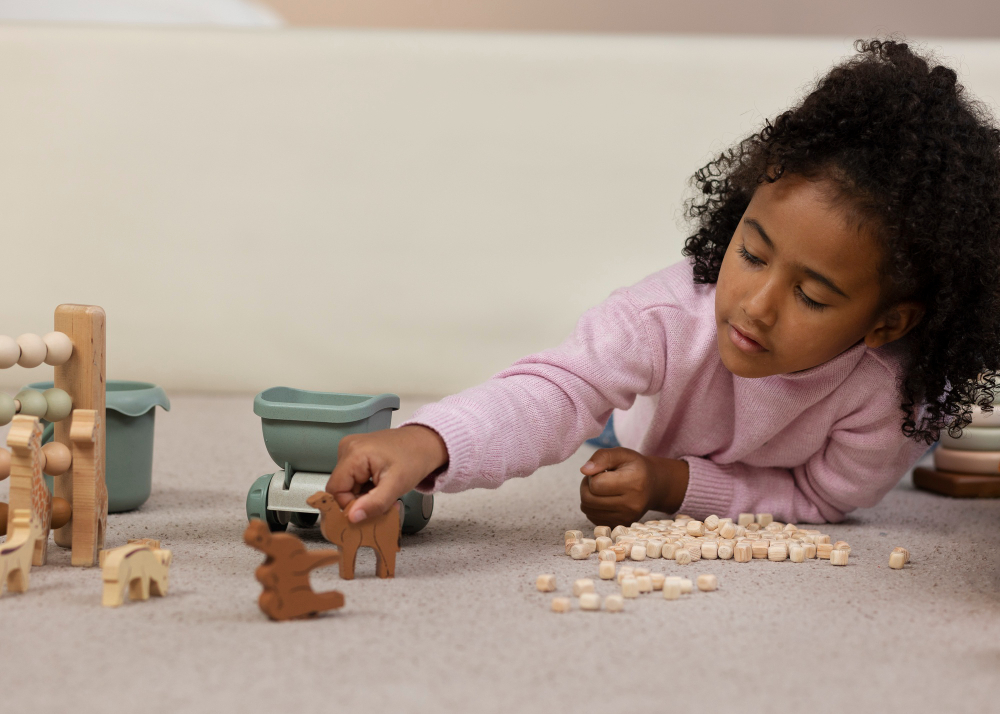
At Bethelxafe Autism Foundation, we know that talking to schools can be one of the most stressful parts of raising an autistic child. Many parents worry about being misunderstood, ignored, or blamed. Yet, strong school collaboration is essential for your child’s success.
In Nigeria, autism awareness in schools is still developing, which makes clear communication even more important.
Preparing for School Conversations
Before meeting school staff, prepare a short and clear summary that includes:
- Your child’s strengths and interests
- Sensory sensitivities and triggers
- Communication style and support needs
- Strategies that work well at home
Bring written notes and, if available, professional recommendations. Clear preparation helps the conversation stay focused and productive.
What to Advocate For
Reasonable supports can make a big difference, such as:
- Visual schedules and clear routines
- Break cards or quiet spaces
- Flexible seating arrangements
- Calm responses during sensory overload
Advocacy is not confrontation. It is partnership built on clarity and respect.
Why This Matters
When expectations are consistent across home and school, autistic children feel safer, learn better, and experience fewer emotional challenges.
Related Posts From Bethelxafe
- Using Visual Supports: Schedules, Cues, and Expectations
- Advocacy Basics: Paperwork, Rights, and Reasonable Adjustments