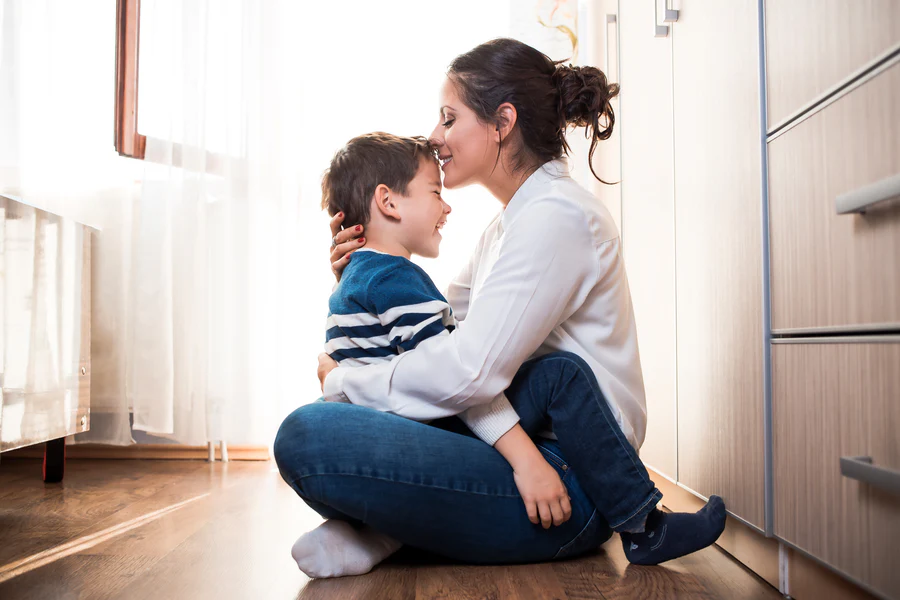
When people think about communication, they often think about spoken words. But communication is much broader than speech alone. Every day, we communicate through our facial expressions, gestures, body language, eye movements, writing, pictures, and even our behaviour.
For many autistic individuals, spoken language is only one part of how they express themselves. Some communicate using augmentative and alternative communication (AAC), while others rely on gestures, sign language, pictures, or communication devices.
At Bethel Xafe Autism Foundation, we encourage families to celebrate every form of communication because every voice deserves to be heard, regardless of how it is expressed.
Every Child Wants to Be Understood
One of the greatest frustrations any person can experience is having something important to say but not being understood.
Autistic children experience this frustration too.
When communication becomes difficult, emotions often become bigger. Anxiety increases, behaviour may change, and both parents and children can feel discouraged.
The goal is not simply to increase spoken words. It is to ensure every child has a reliable way to express their thoughts, needs, emotions, and preferences.
Supporting Different Communication Styles
Communication should always be matched to the individual, not forced into one specific method.
Some children communicate best with pictures. Others use communication devices, gestures, or a combination of different approaches.
Supporting these methods does not prevent speech development. In many cases, it actually strengthens communication by reducing frustration and increasing confidence.
Communication grows when children know their efforts will be understood.
Listening Looks Different Too
Supporting communication is not only about helping children express themselves.
It is also about learning how to listen.
Parents who observe carefully begin noticing patterns in facial expressions, body language, routines, and behaviour that communicate just as clearly as spoken words.
Listening requires patience, curiosity, and a willingness to understand communication in all its forms.
How Bethel Xafe Supports Families
At Bethel Xafe Autism Foundation, we help families understand that communication is about connection, not perfection. We promote approaches that respect every individual’s preferred communication style while helping families build stronger, more meaningful relationships.
Final Thoughts
Every child deserves the opportunity to communicate in a way that works for them.
Words are only one part of communication.
When we value every voice, every gesture, and every attempt to connect, we create a world where autistic individuals are truly heard.