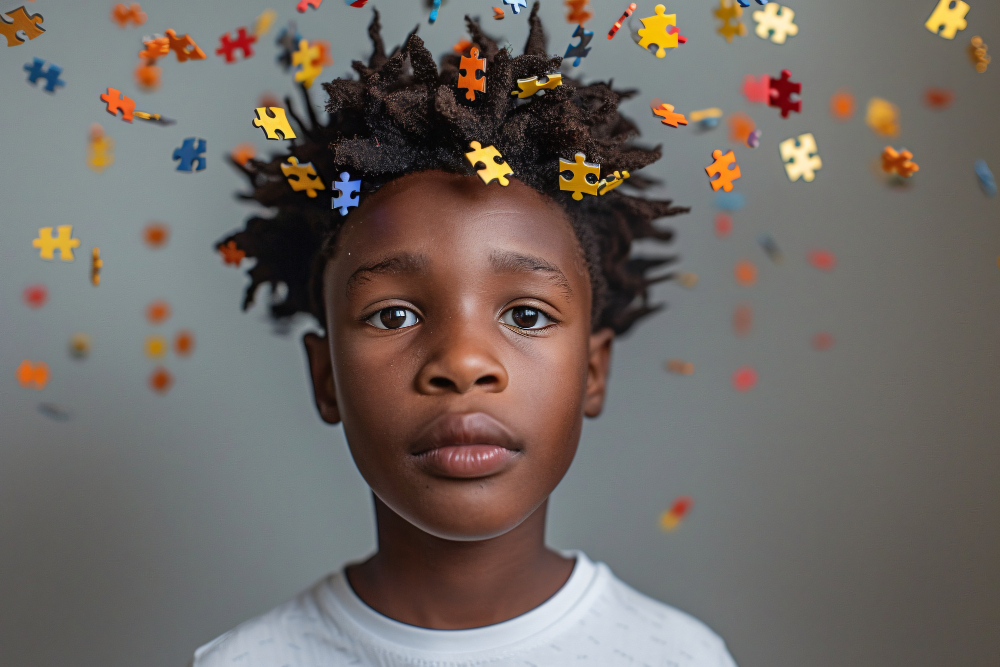
Supporting your child with autism in developing emotional regulation skills is crucial for their overall well-being. Many children with autism struggle with managing strong emotions such as frustration, anxiety, or excitement. These emotions can sometimes lead to challenging behaviors like meltdowns or withdrawal. As a parent, one of the best things you can do is help your child understand their emotions and teach them strategies to cope with them in healthy ways. Begin by recognizing the early signs of emotional distress, such as changes in body language, facial expressions, or behavior. Once you identify these signs, you can intervene early and help your child calm down before the situation escalates.
Teaching emotional regulation requires consistency and patience. A good starting point is helping your child label their feelings. Using simple words like “angry,” “sad,” or “happy” can help them begin to connect emotions with their behaviors. Visual aids like emotion charts or social stories can also be helpful in reinforcing these concepts. Once your child can identify their emotions, introduce coping strategies that work for them. These might include deep breathing exercises, using a calming sensory tool, or taking a break in a quiet space. Over time, these strategies will become more natural for your child and can help them navigate challenging situations with greater ease.
It’s equally important to model emotional regulation for your child. Children learn a lot by observing their parents, so demonstrate healthy ways to handle your own emotions. Show your child that it’s okay to feel upset, but that there are ways to calm down and regain control. Praise your child when they successfully use their coping strategies, even if it’s just a small step toward emotional regulation. Positive reinforcement reinforces their efforts and motivates them to continue practicing. With time, support, and understanding, your child will develop better emotional regulation skills, leading to a greater sense of control over their emotions and improved social interactions.