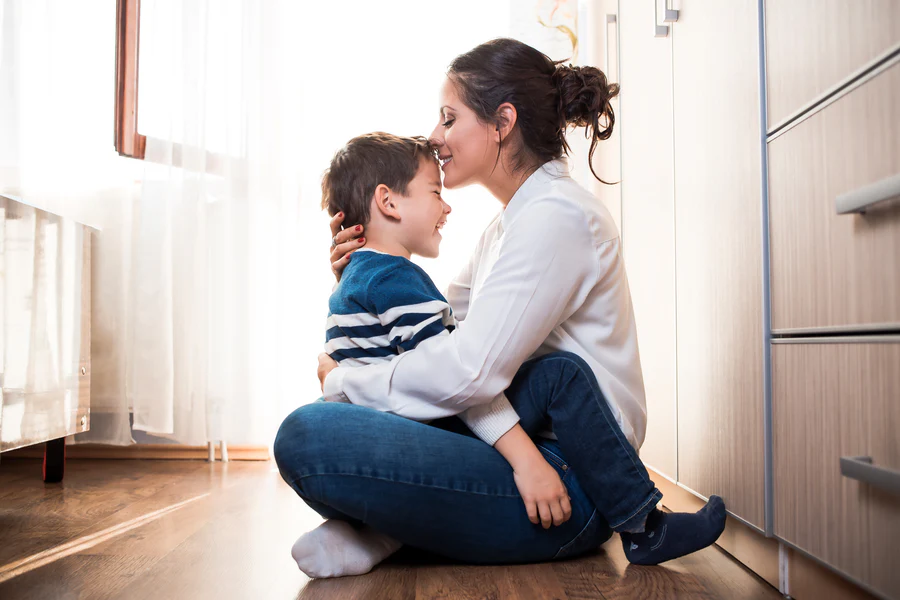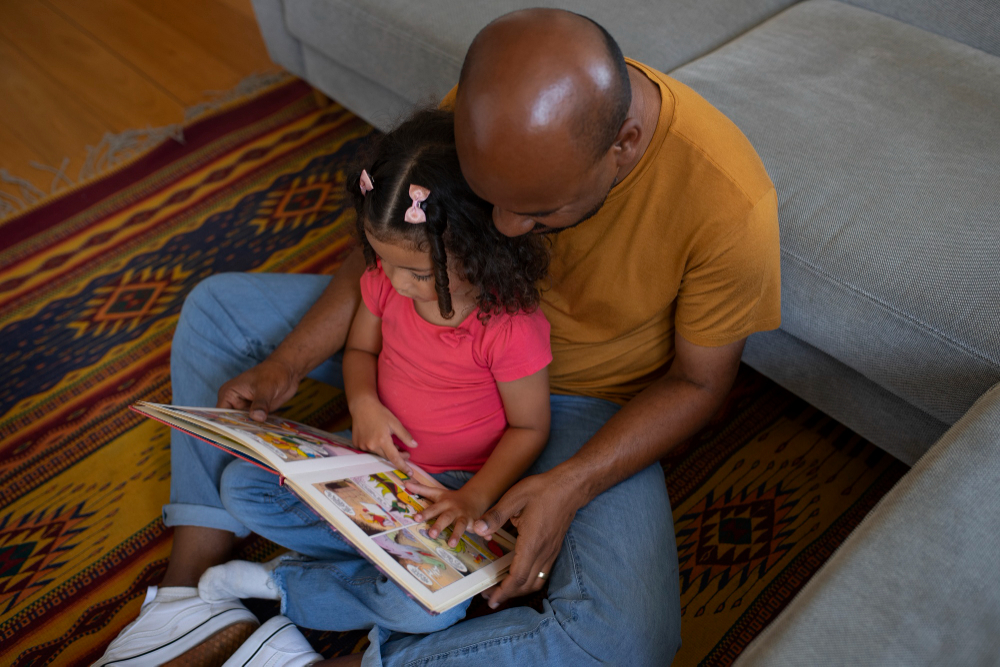
Parents often hope their children will learn to manage big emotions independently. While independence is an important goal, emotional regulation is not something children develop alone.
Before children learn to calm themselves, they first learn through the calm presence of trusted adults.
This process is called co-regulation.
At Bethel Xafe Autism Foundation, we encourage parents to remember that emotional regulation is a skill developed through relationships. Your calm presence becomes the example your child learns from over time.
What Is Co-Regulation?
Co-regulation happens when a calm adult helps a child return to a balanced emotional state.
Rather than expecting children to immediately manage overwhelming emotions by themselves, parents provide reassurance, predictability, and gentle support until the child feels safe again.
Over time, children begin using these same strategies independently.
Self-regulation grows from repeated experiences of co-regulation.
Why Calm Adults Matter
Children naturally look to trusted adults during moments of uncertainty.
If parents respond with patience and steady reassurance, children learn that difficult emotions can be managed safely.
If adults respond with panic, shouting, or frustration, children often become even more overwhelmed.
Children borrow our calm before they develop their own.
Building Emotional Resilience
Co-regulation is not about preventing every difficult emotion.
Instead, it teaches children that they can experience disappointment, frustration, fear, or anxiety while knowing someone will help them navigate those feelings safely.
These experiences gradually build resilience, confidence, and emotional independence.
How Bethel Xafe Supports Families
At Bethel Xafe Autism Foundation, we equip parents with practical strategies that strengthen emotional regulation through connection rather than punishment. We believe calm relationships create confident children.
Final Thoughts
Children are not born knowing how to regulate their emotions.
They learn by experiencing calm, supportive relationships over time.
Every reassuring word, every patient response, and every comforting presence helps build emotional skills that will serve autistic individuals throughout their lives.